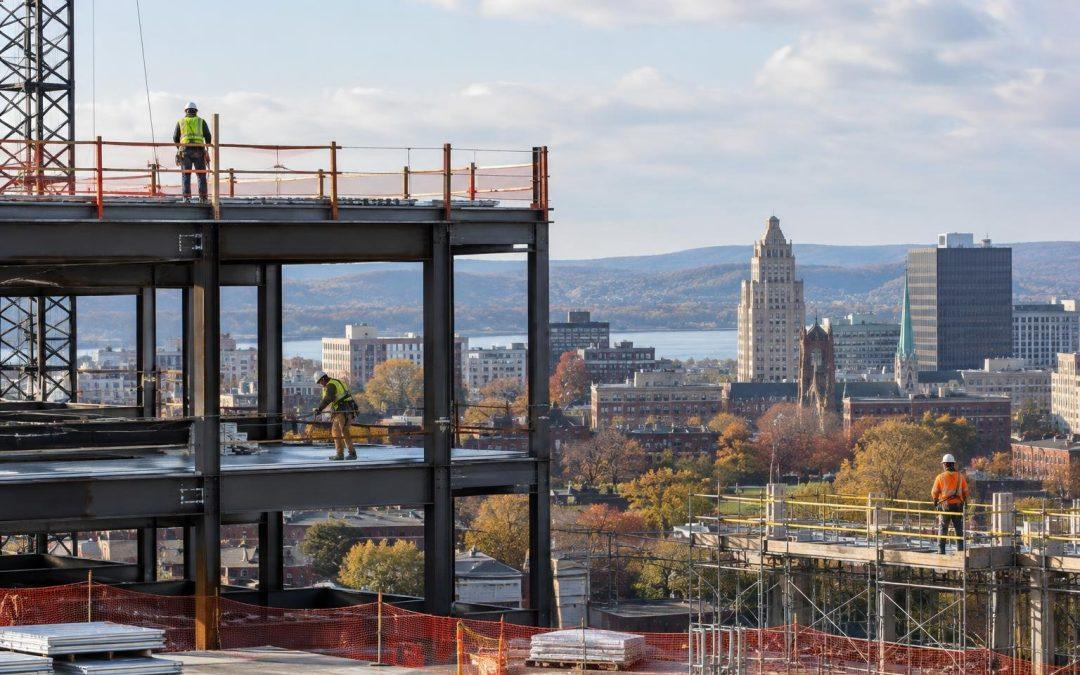
A construction-site injury can leave you dealing with medical care, missed work, and uncertainty about who is responsible. In Syracuse and across Central New York, the right next step often depends on whether you were working at the site, visiting it, or passing by—and on how the injury happened.
Workers’ compensation may be one part of the picture for an injured worker, but it is not always the only possible avenue. In some situations, a separate claim against a responsible property owner, contractor, equipment company, or another party may also be worth examining. This overview explains the distinction and practical steps to protect useful information after a construction accident.
First, identify how the accident happened
Construction injuries can arise from many different hazards: a fall from a ladder or scaffold, a falling object, an unguarded opening, unstable materials, defective equipment, a vehicle moving through a work zone, or a slip on debris. The specific hazard matters. So do your job duties, who controlled the area, and what safety measures were in place.
Not every accident at a construction site leads to the same type of claim. A worker hurt while performing job duties may have a workers’ compensation claim. A visitor, delivery driver, or passerby who is injured by a site condition may instead have a premises-liability or other personal-injury claim. Some situations involve more than one potential claim, and the facts need to be reviewed individually.
Workers’ compensation and a third-party claim are different
Workers’ compensation is a system for work-related injuries that generally does not require the worker to prove that the employer was negligent. It can provide benefits under state rules, but it is not the same as a personal-injury lawsuit. New York’s Workers’ Compensation Board says injured workers should notify their employer in writing as soon as possible, generally within 30 days, and file an employee claim with the Board within two years. Those are important deadlines, and a worker should confirm how the rules apply to their circumstances.
A third-party claim is a separate legal action involving someone other than the injured worker’s employer, when that outside party may have contributed to the injury. Depending on the project and evidence, possible parties to investigate could include a property owner, general contractor, subcontractor, equipment manufacturer, or a driver. Their involvement alone does not establish liability; a claim requires a legal basis and supporting facts.
Workers’ compensation and a third-party claim may sometimes proceed at the same time. However, payments made through workers’ compensation and any later recovery can interact. The insurer may have rights related to benefits it paid, and settlement decisions can affect future benefits. Before signing a release or resolving a claim, get advice about the consequences and any required approvals.
When New York construction-safety laws may matter
New York Labor Law contains provisions addressing certain construction, repair, demolition, and excavation work. For example, Labor Law § 240 addresses specified elevation-related risks and safety devices, while § 241 concerns safeguards at construction, excavation, and demolition sites. These laws do not automatically apply to every jobsite injury or every person on a site.
Whether a particular provision applies can depend on the kind of work being performed, the worker’s task, the source of the hazard, and the roles of the owner and contractors. A fall from a height, for instance, does not by itself answer every legal question. The details of the work and the safety arrangements matter, and a legal assessment should be based on the actual facts rather than a broad description of the accident.
For an overview of the firm’s injury practice areas, including work accidents, see the personal injury services offered in Syracuse.
What to do after a construction-site injury
Safety and medical care come first. Once you are able, take practical steps to record what happened and meet reporting requirements. A clear record can help explain the sequence of events later, especially if site conditions change or equipment is moved.
- Get medical attention. Tell the treating provider how and where the injury happened, and follow the provider’s instructions. If you have a serious or worsening condition, seek urgent medical care.
- Report a work injury promptly. Notify your employer in writing as soon as possible and keep a copy. The Workers’ Compensation Board generally advises written notice within 30 days. Reporting to an employer and filing a claim with the Board are separate steps.
- Record the scene, if it is safe. Photograph the hazard, equipment, warning signs, lighting, access routes, and surrounding area. Note the date, time, site location, and weather or work conditions.
- Get witness details. Write down the names and contact information of coworkers, site visitors, or others who saw the event or the condition beforehand. Ask them to preserve any photos or messages they already have.
- Keep relevant records. Save incident reports, work schedules, messages, medical paperwork, and receipts. Keep damaged clothing or personal protective equipment if it may help show what happened.
- Avoid guessing about fault. Give accurate information, but do not speculate about the cause or sign a broad release before understanding what it covers.
If the injury involves a head impact or symptoms affecting memory, balance, concentration, or awareness, seek medical attention and keep track of changes. A brain injury lawyer in Syracuse can explain how a potential injury claim is evaluated; only a qualified medical professional can diagnose or recommend treatment.
Questions that can shape a construction accident claim
A careful review may ask who owned or controlled the area, which companies were working there, and who supplied or maintained the equipment. It may also examine whether the hazard was reported, what safety rules or project procedures applied, and whether records such as inspection logs, contracts, or site photographs still exist.
Workers may also want to clarify their employment status and report the injury even if they are unsure which company was responsible for their work. On a multi-employer site, people can be uncertain about whether they are an employee, subcontractor, or independent contractor. Do not assume that a label in a contract or a supervisor’s comment resolves the issue; the actual work arrangement and applicable rules may need review.
Construction injuries can include fractures, burns, spinal injuries, and traumatic brain injuries, among other harms. The impact may extend beyond the immediate treatment period, but the nature and extent of an injury should be established through appropriate medical evaluation. Keep records of treatment and limitations, and avoid relying on estimates or promises about what a claim may be worth.
Getting local guidance in Syracuse and Central New York
Construction projects in Syracuse, Onondaga County, and surrounding communities can involve multiple contractors and changing site conditions. A lawyer can review the incident details, explain potential claim paths, identify deadlines, and discuss how a workers’ compensation matter may interact with a claim against another party. No outcome can be guaranteed, and every case depends on its evidence and circumstances.
For more information about Craig K. Nichols and his legal practice, visit the firm’s website. If you were injured on a construction site, consider getting advice promptly so that reporting requirements, evidence, and possible deadlines can be addressed.
Contact us today through our contact page or call (315) 445-8763 to discuss your situation.
Frequently Asked Questions
Can I receive workers’ compensation and bring another claim?
Often, yes. Workers’ compensation and a claim against a responsible third party are different matters, but any recovery can affect benefits, so get advice before settling.
Does New York Labor Law apply to every construction accident?
Not automatically. New York Labor Law provisions apply to particular work and hazards, and the facts of the task, site, and safety arrangements matter.
How long do I have to report an injury at work?
The Workers’ Compensation Board generally advises telling your employer in writing within 30 days and filing an employee claim within two years. Reporting to your employer and filing with the Board are separate steps.
What evidence should I keep after a construction-site injury?
Photographs, witness details, incident records, work communications, and medical records may help preserve an account of the event. Collect what you can safely and lawfully access, and keep copies.
Can I bring a claim against a contractor or property owner?
Possibly, if evidence supports a legal claim and that person or company contributed to the accident. A lawyer can assess who controlled the site or equipment and what legal rules may apply.
Sources
- Legislation – The Laws of New York
- Section 240 – The Laws of New York
- C-121 Claim for Compensation and Notice of Commencement of Third …
- SECTION 241 Construction, excavation and demolition work
- Third-Party Claims After a New York Work Injury – The Perecman Firm
- Velazquez-Guadalupe v Ideal Bldrs. & Constr. Servs., Inc. …
- Can You File Third-Party Injury Lawsuit For a Construction Accident?
- New York State Workers' Compensation Board Glossary